
 By Magni Haakon
People often assume relaxation is something that happens once a treatment begins. In reality, it usually starts earlier, or not at all. Visiting a wellness spa in Sukhumvit can highlight this difference immediately, because the effectiveness of any treatment depends heavily on what surrounds it, not just what happens on the table.
The body responds to cues long before touch is involved. Noise, lighting, temperature, pacing, and even how time is handled all influence whether tension is released or simply paused.
The Body Listens Before The Mind Decides
Stress does not switch off on command. It fades when signals change. A rushed arrival, bright lighting, or a sense of being hurried can keep the nervous system alert even during technically skilled treatments. By contrast, environments designed for calm begin communicating safety and control the moment someone enters.
This matters because physical relaxation requires permission. Muscles loosen when the body feels secure enough to stop bracing. If the environment contradicts that message, treatments work harder for smaller gains.
Stillness Is Part Of The Treatment
True calm relies on absence as much as presence. Reduced noise, slower movement, and uninterrupted time allow the body to reset without distraction. When transitions are smooth and unforced, the experience feels continuous rather than segmented.
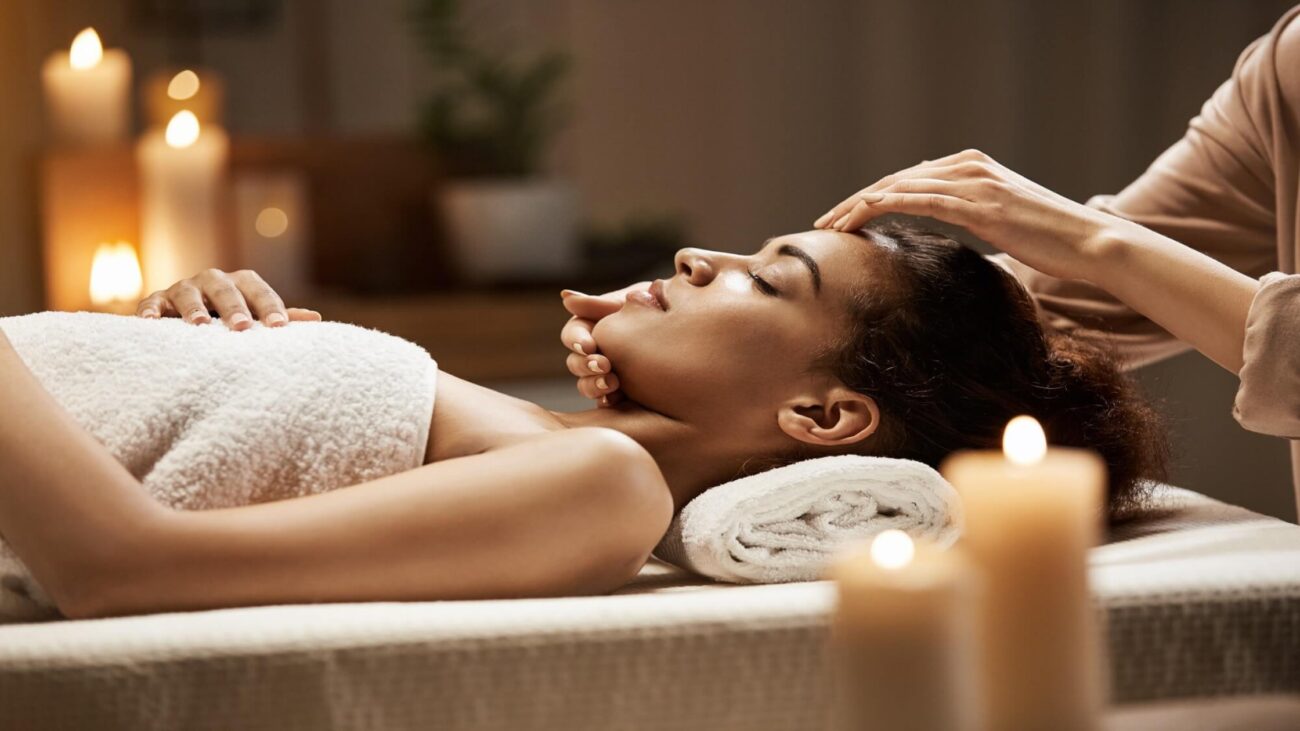
This sense of flow prevents the common problem of relaxation being broken repeatedly. Each interruption, however minor, pulls attention outward and reintroduces tension. Environments that respect stillness help maintain depth rather than offering brief relief.
Sensory Consistency Builds Trust
When sensory elements align, the body adapts quickly. Gentle lighting, stable temperature, and consistent sound remove the need for constant adjustment. This consistency builds trust at a physical level, allowing attention to drift inward instead of scanning for change.
Trust is essential because relaxation deepens over time. The more predictable the environment, the less effort the body expends staying alert. Treatments then become cumulative rather than isolated.
Why Technique Alone Is Not Enough
Skilled hands matter, but technique cannot compensate for contradiction. A calming treatment delivered in a stimulating space produces mixed signals. The body responds cautiously, limiting release.
Effective relaxation depends on alignment. When environment, pacing, and treatment support the same outcome, results last longer and feel more complete. Calm becomes something that settles rather than something that briefly interrupts stress.
This is why people often describe truly restorative experiences as immersive. They are not defined by a single moment but by how completely the environment supports letting go.