 By Magni Haakon
People often assume that the effectiveness of a treatment depends almost entirely on technique. Pressure, timing, and skill matter, but they are not the whole story. Experiencing a Chiang Mai spa often highlights how strongly environment influences physical response, particularly in places where daily life moves at a noticeably different pace. The body does not separate treatment from context. It reacts to both at the same time.
Pace Alters the Nervous System Before Treatment Begins
In slower cities, the body arrives in a different state. Movement is less hurried, noise levels are lower, and transitions between activities feel less compressed. These conditions reduce baseline alertness before any hands-on work takes place.
This matters because the nervous system governs how muscles respond to touch. When the body is already moving away from constant vigilance, it releases tension more readily. Treatments feel deeper not because more force is applied, but because resistance is lower from the outset.
Reduced Stimulation Allows Subtle Work to Be Effective
Highly stimulating environments encourage the body to stay partially guarded. Even during rest, attention remains outward-facing. In calmer settings, that outward focus fades more quickly.
As stimulation drops, subtle techniques become more effective. Small adjustments register more clearly. The body responds to lighter input because it is no longer filtering noise. This is why treatments in slower environments often feel unexpectedly impactful despite gentler approaches.
Time Is Experienced Differently in Calm Settings
In places where schedules feel looser, the perception of time changes. Sessions feel unhurried, and the absence of rushing alters breathing patterns and muscle tone. The body is less inclined to anticipate the end of the experience.
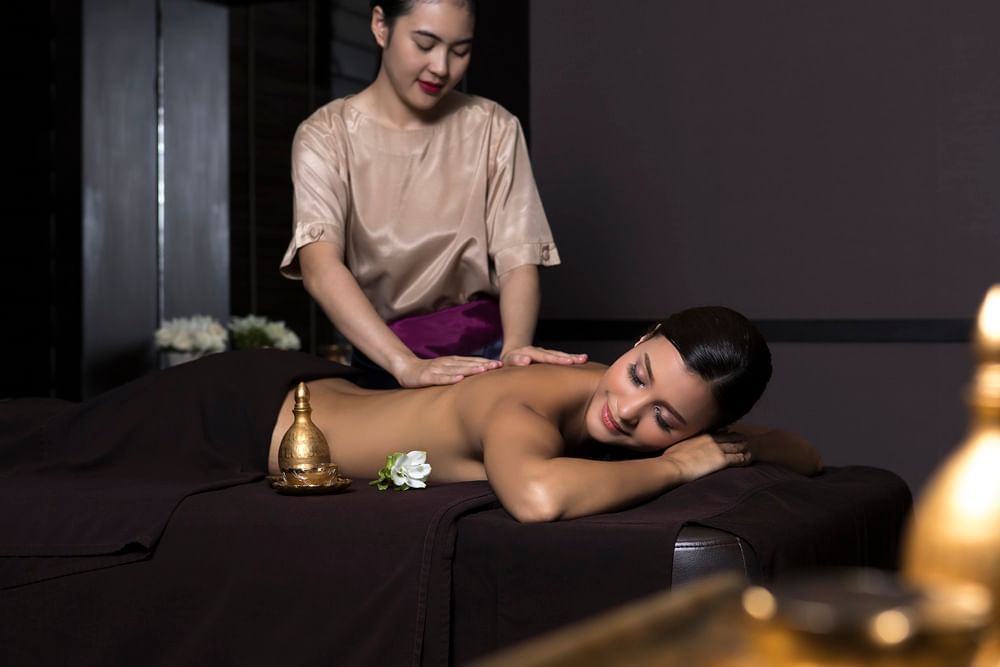
This shift supports continuity. Instead of repeatedly re-engaging after mental interruptions, the body remains present for longer stretches. Release happens gradually rather than in short bursts.
Why Results Often Last Longer
When tension is released in a state of calm, the body is more likely to maintain that state afterward. There is less rebound, where muscles tighten again in response to external pressure or mental stress.
This durability is often what people notice most. The benefit extends beyond the session itself, influencing movement, posture, and comfort later in the day. The environment supports integration rather than acting as a brief escape.
Environment as an Unspoken Part of Care
Treatment does not begin when contact starts. It begins when the body senses whether it is safe to let go. Slower cities create conditions where that decision is easier.
By reducing background urgency, these environments allow care to work with the body instead of against it. The result is not just relaxation, but a response that feels more complete and more lasting.