 By Magni Haakon
A resort represents a distinct evolution within the global hospitality industry. While a standard hotel serves primarily as a temporary lodging solution for travelers seeking a bed between excursions, a resort is engineered to be a self-contained destination. It is a highly integrated ecosystem where accommodation, recreation, gastronomy, entertainment, and natural surroundings converge to fulfill a traveler’s complete vacation lifecycle within a single geographic footprint.
The modern resort market has shifted away from generic, mass-tourism models toward hyper-specialized spaces that cater to precise demographic desires. Managing these sprawling properties requires complex operational logistics, specialized environmental planning, and a deep understanding of consumer psychology.
The Core Classifications of Modern Resorts
Resorts are fundamentally defined by their geographic settings and the primary recreational anchors that draw guests to their properties. Understanding these categories reveals how different properties structure their business models.
Beach and Coastal Resorts
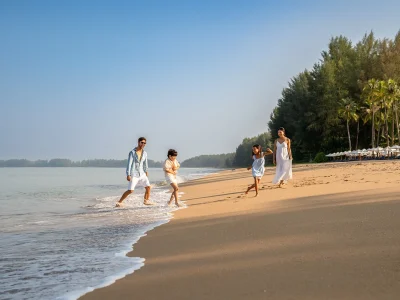
Beach resorts occupy premium waterfront real estate along oceans, seas, and major lakes. The operational strategy centers entirely on the marine environment. These properties invest heavily in coastal engineering to maintain pristine shorelines, manage marine wildlife interactions, and offer extensive water sports infrastructures. Accommodations are systematically oriented to maximize ocean views, with premium pricing attached to direct beach access or overwater villas.
Mountain and Ski Resorts
Operating in high-altitude environments, mountain resorts require dual-season operational models to remain financially viable. During the winter, the focus is entirely on ski lift infrastructures, snowmaking technology, slope grooming logistics, and equipment rental ecosystems. In the summer, these same properties pivot to accommodate alpine hikers, mountain bikers, and nature enthusiasts, converting ski lifts into scenic viewing transport.
Wellness and Eco-Resorts
Representing the fastest-growing segment of the leisure industry, wellness and eco-resorts prioritize personal health and environmental sustainability. These properties are typically located in isolated, noise-free environments like rainforests, deserts, or secluded valleys. The architecture uses low-impact, local materials, and the activities emphasize holistic health, including medical spas, mineral thermal springs, specialized dietary regimens, and outdoor mindfulness programs.
Spatial Layout and Environmental Integration
The physical design of a resort is vastly different from a traditional vertical urban hotel. Resorts utilize horizontal architecture, spreading low-rise buildings across extensive acreage to preserve natural landscapes and foster a sense of seclusion.
Zonation Planning
A well-designed resort utilizes strategic zonation to ensure that conflicting guest activities do not overlap. Designers map out properties into distinct sectors:
-
The Arrival Zone: A grand, open-air lobby structure that transitions the guest from the stress of transit into a relaxed vacation state of mind, often featuring panoramic views of the main property asset.
-
The Active Zone: This sector consolidates high-energy activities, including main swimming pools, water parks, sports courts, and family entertainment complexes.
-
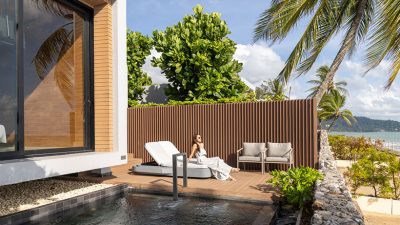
The Tranquil Zone: Physically separated from the active area by natural barriers or distance, this zone houses the spa facilities, adult-only pools, and premium quiet-use villas.
-
The Back-of-House Zone: A hidden network of roads and facilities allowing service vehicles, laundry delivery, maintenance teams, and kitchen staff to navigate the property without interfering with the guest experience.
Biophilic Design Principles
Modern resort development heavily incorporates biophilic design, which seeks to connect human occupants closely with nature. Buildings feature expansive glass walls, indoor gardens, natural ventilation systems, and transitional indoor-outdoor living spaces. Landscaping is not merely decorative; it is utilized as functional architecture. Local vegetation is grown to create natural privacy screens between villas, absorb ambient sound, and regulate local microclimates through natural shade.
The Operational Logistics of Self-Containment
To maintain the illusion of an effortless paradise, a resort operates like a small municipality, requiring massive infrastructural self-sufficiency behind the scenes.
Water and Energy Management
Because many premium resorts are located in remote areas, islands, or delicate ecosystems, they cannot always rely on municipal utility grids. Luxury island resorts frequently operate their own desalination plants to convert seawater into potable water for guest rooms, kitchens, and commercial laundry facilities.
Large-scale wastewater treatment facilities are built on-site to recycle greywater for landscape irrigation. Furthermore, progressive resorts are investing in dedicated solar arrays and microgrids to offset their immense air conditioning and pool heating energy demands.
Supply Chain and Waste Logistics
Sourcing high-end culinary ingredients, clean linens, and maintenance parts for a remote resort requires flawless logistical planning. Purchasing directors must establish complex supply chains involving refrigerated marine cargo, dedicated air freight, and local agricultural partnerships.
Conversely, waste management presents a parallel challenge. Resorts produce massive amounts of organic and packaging waste. Leading properties deploy industrial composting systems to process food waste into fertilizer for the resort grounds and maintain sophisticated recycling separation facilities to minimize their impact on local landfills.
The Evolution of the Guest Experience Model
The service philosophy within a resort is focused on relationship building and experience curation rather than transactional speed.
Experiential Concierges
Traditional hotel concierges focus primarily on booking external dinner reservations or local taxis. Resort concierges, often called experience architects or guest hosts, are tasked with customizing the guest’s entire daily itinerary. They coordinate on-site sailing lessons, private beach dinners, guided ecological hikes, and kids’ club activities. The goal is to maximize the guest’s utilization of the resort’s proprietary amenities, capturing a high percentage of ancillary spending on-site.
All-Inclusive Versus European Plan Models
Resorts generally operate under one of two core financial frameworks:
-
The All-Inclusive Model: Guests pay a single flat rate covering accommodation, all meals, snacks, alcoholic beverages, non-motorized water sports, and daily entertainment. This model relies on high volume and predictable on-site consumption patterns to generate profit margins.
-
The European Plan (A La Carte): The base room rate covers only the lodging. Every meal, spa treatment, and activity is billed separately to the guest’s room account. This model is favored by ultra-luxury properties where guests demand highly bespoke culinary items and individualized experiences that cannot be standardized into a flat-rate formula.
By understanding the careful balance between physical geography, environmental engineering, horizontal spatial planning, and complex logistical frameworks, travelers can better appreciate the massive industrial infrastructure that makes modern resort relaxation possible.
Frequently Asked Questions
What is the specific difference between a resort and a resort hotel?
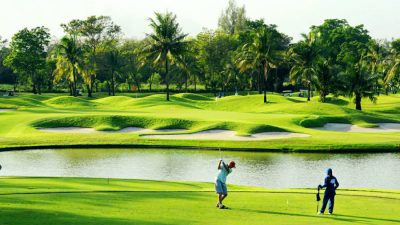
A resort occupies a large parcel of land, featuring extensive outdoor recreational facilities like golf courses, private beaches, and multi-acre pool complexes as its primary draw. A resort hotel is a traditional hotel structure located inside a resort destination or near a major tourist attraction, offering access to those amenities but possessing a smaller physical property footprint of its own.
How do ski resorts maintain operational cash flow during the snowless summer months?
Ski resorts transform into alpine adventure hubs during the summer. They convert ski slopes into downhill mountain biking trails, install alpine coasters, build zip-line courses, and host high-revenue events like weddings, music festivals, and corporate retreats to maximize year-round facility utilization.
What is a dive resort and what specialized infrastructure does it require?
A dive resort is a specialized property catering exclusively to scuba diving enthusiasts, typically located near major coral reef systems. They require dedicated on-site dive centers equipped with air compressor systems, nitrox blending facilities, secure gear storage lockers, custom dive boats, and certified medical hyperbaric chambers or rapid evacuation protocols for diver safety.
How do mega-resorts manage the internal transportation of guests across hundreds of acres?
Resorts deploy integrated internal transit networks to move guests comfortably. This includes fleets of electric golf carts driven by staff, scheduled multi-passenger shuttle buses, bicycle rental programs, and in some expansive waterfront configurations, water taxis or monorail loops.
What does the term soft opening mean in the context of a new resort launch?
A soft opening is a phased operational launch occurring weeks or months before the grand opening. The resort opens a limited number of rooms and select restaurants to a small volume of guests, often at a discounted rate. This allows management to test kitchen workflows, train service staff, and resolve unforeseen technological or structural glitches under real-world conditions.
How do eco-resorts manage pest control without violating their environmental principles?
Eco-resorts avoid harsh synthetic chemical pesticides that disrupt local wildlife food chains. Instead, they utilize integrated pest management techniques. This includes planting natural insect-repelling flora like citronella and neem, installing bat houses and bird boxes to encourage natural predators, utilizing structural mosquito netting, and deploying organic, biodegradable pest treatments.