
 By Magni Haakon
Modern relationships often operate under constant cognitive load. Work schedules, digital distraction, and fragmented routines reduce opportunities for genuine shared presence. This is why experiences such as a day spa for couples are increasingly valued not as indulgences, but as environments that support emotional reconnection through sensory alignment and reduced mental noise.
When two people step into a calm, controlled environment together, their nervous systems begin to synchronise in subtle but measurable ways.
Stress Synchronisation Shapes Emotional Tone
Humans unconsciously mirror each other’s emotional states. Elevated stress in one partner often transfers to the other, reinforcing tension cycles. Shared relaxation interrupts this feedback loop.
Lower heart rate, slower breathing, and reduced cortisol levels occur simultaneously when partners experience calm environments together. This synchronisation promotes emotional regulation without requiring verbal processing.
Touch Reinforces Trust Pathways
Physical touch activates oxytocin release, strengthening bonding and safety perception. When touch occurs in a neutral, restorative context rather than daily routine, its impact becomes more noticeable.
This reinforces subconscious trust signals and reduces defensive behaviour patterns, particularly in high-stress lifestyles.
Novel Shared Experiences Refresh Relational Memory
Routine reduces emotional novelty. Shared wellness experiences create new memory anchors that refresh how partners associate each other with calm, care, and presence.
These experiences reshape relational narratives, reinforcing positive emotional associations beyond daily logistics.
Sensory Environment Shapes Emotional Safety
Lighting, sound, temperature, and scent influence how safe and receptive the nervous system feels. Environments designed for relaxation reduce vigilance and cognitive filtering.
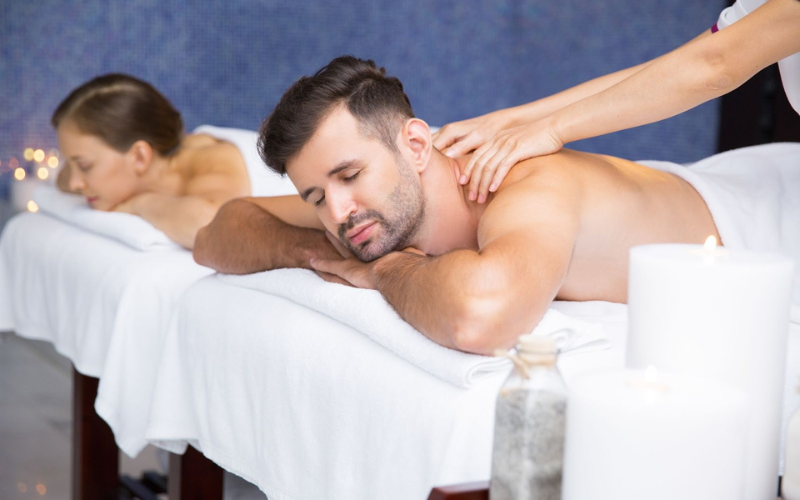
When both partners occupy the same sensory conditions, emotional alignment occurs more easily. Conversations feel lighter, and emotional availability increases without forced effort.
Attention Shifts From Problem-Solving to Presence
Daily interactions often revolve around tasks and decision-making. Wellness environments suspend those demands temporarily.
This allows partners to reconnect through simple shared presence rather than productivity or performance expectations.
Physiological Calm Supports Psychological Openness
Relaxed bodies create relaxed minds. When muscular tension decreases and breathing slows, psychological openness increases naturally.
This openness supports empathy, patience, and perspective-taking long after the experience ends.
Shared Recovery Builds Emotional Resilience
Couples who recover together from stress build stronger emotional buffers against future pressure. Regular shared decompression supports long-term relational stability rather than reactive repair.
Wellness experiences become preventative rather than corrective.
Why Connection Thrives in Stillness
Connection does not always require conversation or activity. Stillness allows subtle emotional cues to surface and be recognised.
Shared calm creates space for awareness, appreciation, and emotional grounding that busy environments rarely permit.
In a culture that prioritises productivity, intentionally creating space for shared recovery supports relationships at a foundational level. Emotional connection strengthens not through intensity, but through aligned calm, presence, and sensory balance.